


GRP Products Explained: What They Are and Where to Use Them
Glass Reinforced Plastic (GRP) has become a go-to material across the UK for a wide range of construction, industrial, and safety applications. Known for its impressive strength-to-weight ratio and long-lasting performance, GRP offers a modern alternative to traditional materials like steel and timber—especially in environments where durability and low maintenance are essential.
From anti-slip safety solutions to heavy-duty flooring and structural components, GRP products are now widely used in both commercial and residential settings. Whether it’s improving safety on stairways, enhancing outdoor walkways, or meeting accessibility standards in public spaces, GRP continues to deliver reliable performance in demanding conditions.
Explore the full range of premium GRP products at Mafson.co.uk and find durable, anti-slip solutions designed for safety, performance, and long-term reliability across UK environments.
In this guide, you’ll explore how GRP is made, the benefits it offers, and where it can be used effectively. You’ll also discover some of the most popular GRP products available today—including stair tread covers, anti-slip decking strips, grating, and tactile paving—along with practical insights to help you choose the right solution for your needs.
What Is GRP? Composition and Structure
Meaning of Glass Reinforced Plastic
Glass Reinforced Plastic, commonly known as GRP, is a composite material made by combining fine glass fibres with a polymer resin. This combination creates a material that is both lightweight and incredibly strong, making it suitable for a wide variety of applications across construction, transport, and industrial sectors in the UK.
The glass fibres provide structural strength, while the resin binds everything together and offers resistance to environmental factors such as moisture, chemicals, and UV exposure. This unique composition is what gives GRP its edge over traditional materials like wood, which can rot, or metal, which may corrode over time.
In many cases, GRP is also referred to as fibreglass. While the terms are often used interchangeably, GRP is the more commonly used term in the UK, especially within the construction and safety product industries.
Manufacturing Process Behind GRP
The production of GRP involves layering glass fibres and saturating them with resin to form a solid, durable structure. This process can be carried out using several methods, depending on the intended application and product design.
One of the most common techniques is moulding, where the material is shaped into specific forms such as sheets, grating, or stair components. Once the layers are in place, the resin is cured—either at room temperature or with added heat—to harden the structure and lock in its strength.
This manufacturing flexibility allows GRP products to be customised for different uses, whether it’s anti-slip stair tread covers for public safety or heavy-duty grating for industrial flooring systems. It also ensures consistent quality and performance, which is essential for meeting UK safety and compliance standards.
Benefits That Make GRP a Preferred Choice
Long-Lasting Performance in Harsh Weather
GRP products are designed to perform well in demanding UK conditions, including rain, frost, damp environments, and regular temperature changes. Unlike timber, GRP does not rot, warp, or absorb moisture easily. Unlike untreated metal, it is also highly resistant to corrosion, making it a practical choice for outdoor and industrial spaces.
This makes GRP especially useful for walkways, staircases, platforms, loading areas, and public access routes where long-term reliability matters.
Strength Without Added Weight
One of GRP’s biggest advantages is its strong yet lightweight structure. It can handle regular foot traffic and demanding use without adding unnecessary weight to the surface or structure beneath it.
For buyers, this often means easier handling, quicker installation, and reduced labour costs. Products such as GRP Grating, GRP Flooring Flat Sheets, and GRP Stair Tread Covers are popular because they offer dependable strength without the complications of heavier materials.
Cost Efficiency and Minimal Maintenance
GRP is a smart long-term investment because it requires very little maintenance once installed. Its surface can be cleaned easily, and many GRP products are designed with anti-slip finishes to support safer movement in wet or busy areas. For commercial sites, public spaces, and industrial environments, this helps reduce ongoing repair, replacement, and maintenance costs.
Choosing quality GRP Products from the start can improve safety, extend service life, and offer better value over time.
Where GRP Products Are Commonly Used Across the UK
Roofing and Construction Projects
GRP is widely used in roofing, cladding, and structural applications due to its weather resistance and durability. It performs well in harsh UK conditions and requires minimal maintenance, making it a reliable choice for long-term construction projects.
Industrial and Commercial Environments
GRP products are commonly installed in factories, warehouses, and public spaces. Solutions like grating and flooring provide strong, anti-slip surfaces suitable for high-traffic and safety-critical areas.
Home Improvement and DIY Applications
GRP is also popular for domestic use, including decking, steps, and garden walkways. Its lightweight design and anti-slip properties make it ideal for quick and effective safety upgrades.
Popular GRP Products and Their Practical Applications
1. GRP Stair Tread Covers
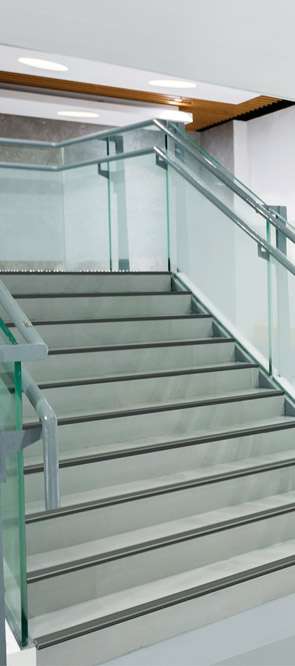
GRP stair tread covers are designed to enhance safety on worn or slippery steps. They provide a durable, anti-slip surface suitable for indoor and outdoor use in commercial, industrial, and public environments exposed to heavy foot traffic.
Explore a wide range of high-quality GRP Stair Tread Covers and improve safety across your stairways with long-lasting, slip-resistant solutions built for UK conditions.
2. Anti-Slip Decking Strips
Anti-slip decking strips are ideal for improving grip on wooden or composite decking, ramps, and walkways. They are weather-resistant, easy to install, and perfect for reducing slip risks in wet outdoor areas across residential and commercial properties.
Shop premium Anti-Slip Decking Strips and upgrade your outdoor surfaces with reliable grip and weather-resistant performance designed for year-round use.
3. Stair Nosings Cover
Stair nosings covers are fitted to the edge of steps to increase visibility and provide additional grip. They help reduce accidents, meet safety standards, and are commonly used in schools, offices, and public buildings.
Upgrade your stair safety with durable Stair Nosings Cover, offering enhanced visibility, strong grip, and long-term performance for both indoor and outdoor environments.
4. GRP Flooring Flat Sheets
GRP flooring flat sheets offer a robust and slip-resistant surface for industrial and commercial flooring. They are resistant to chemicals, moisture, and heavy use, making them suitable for factories, warehouses, and high-traffic working environments.
Browse high-performance GRP Flooring Flat Sheets and choose a dependable solution for demanding industrial and commercial flooring applications.
5. GRP Grating
GRP grating is widely used for walkways, platforms, and drainage covers due to its strength, lightweight structure, and corrosion resistance. It provides excellent slip resistance and is ideal for harsh environments, including marine and industrial settings.
Find strong, lightweight, and corrosion-resistant GRP Grating, ideal for walkways, platforms, and industrial environments where safety and durability matter most.
6. Surface-Mounted Tactile Paving
Surface-mounted tactile paving is designed to improve accessibility for visually impaired individuals. It provides clear surface indicators in public spaces such as pavements, stations, and crossings, helping meet UK safety and compliance regulations.
Discover compliant and durable Surface-Mounted Tactile Paving, designed to improve accessibility, safety, and navigation in public and commercial spaces.
GRP vs Fibreglass: Quick Comparison
| Feature | GRP (Glass Reinforced Plastic) | Fibreglass |
|---|---|---|
| Definition | Finished composite material (fibres + resin) | Refers to the glass fibres only |
| Common Usage (UK) | Widely used term in construction & industry | Less commonly used in the UK context |
| Material Type | Complete, ready-to-use product | Component within GRP |
| Strength | High strength and structural durability | Depends on how it’s used in GRP |
| Applications | Flooring, grating, stair treads, roofing | Used within GRP manufacturing |
| Terminology | Industry-standard term in the UK | More common in general/global usage |
| Performance | Durable, corrosion-resistant, anti-slip | Same when part of GRP |
In real-world use, there’s no major performance difference — the distinction is mainly in terminology. In the UK market, GRP is the preferred and more widely recognised term, especially when buying products.
Buying GRP Products in the UK: Smart Tips for Buyers
Selecting a Reliable Supplier
Choosing a trusted supplier is essential to ensure product quality and long-term performance. Look for suppliers that specialise in GRP products, offer clear specifications, and guide on selecting the right solution for your needs.
Reliable UK suppliers will also offer consistent product availability, proper certifications, and customer support to help with installation and product selection.
Importance of Quality and Compliance
High-quality GRP products are designed to meet UK safety and performance standards, especially for public, commercial, and industrial use. Features such as anti-slip surfaces, load capacity, and weather resistance should always meet required regulations.
Investing in certified, well-manufactured GRP products reduces the risk of early wear, safety issues, and replacement costs. It also ensures better performance in demanding environments.
Need help choosing the right GRP solution? Contact Us today for expert advice and tailored recommendations to suit your project requirements.
Quick Answers Before You Choose GRP
Q: How long do GRP products typically last?
A: GRP products typically last 20–50 years, thanks to their resistance to corrosion, moisture, and wear in both indoor and outdoor environments.
Q: Are GRP products suitable for UK outdoor conditions?
A: Yes, GRP products are weather-resistant and perform well in rain, frost, and UV exposure, making them ideal for outdoor use across the UK.
Q: Do GRP products provide anti-slip protection?
A: Many GRP products feature anti-slip surfaces, helping reduce slip risks in wet or high-traffic areas like stairs, walkways, and industrial flooring.
Conclusion
GRP products have become an essential solution across the UK for construction, industrial, and safety applications. Their combination of strength, lightweight structure, and resistance to weather and corrosion makes them a dependable alternative to traditional materials.
From improving stair safety with tread covers and nosings to enhancing outdoor surfaces with anti-slip decking strips, GRP offers practical benefits for a wide range of environments. Products like GRP grating, flooring sheets, and tactile paving further demonstrate how versatile and effective this material can be in both commercial and public spaces.
Choosing the right GRP products ensures better safety, longer lifespan, and reduced maintenance costs over time. By selecting high-quality solutions tailored to your specific needs, you can achieve reliable performance in even the most demanding conditions.
Explore the full range of durable, high-performance GRP products at Mafson.co.uk and find the ideal solution to enhance safety, performance, and long-term value for your project.